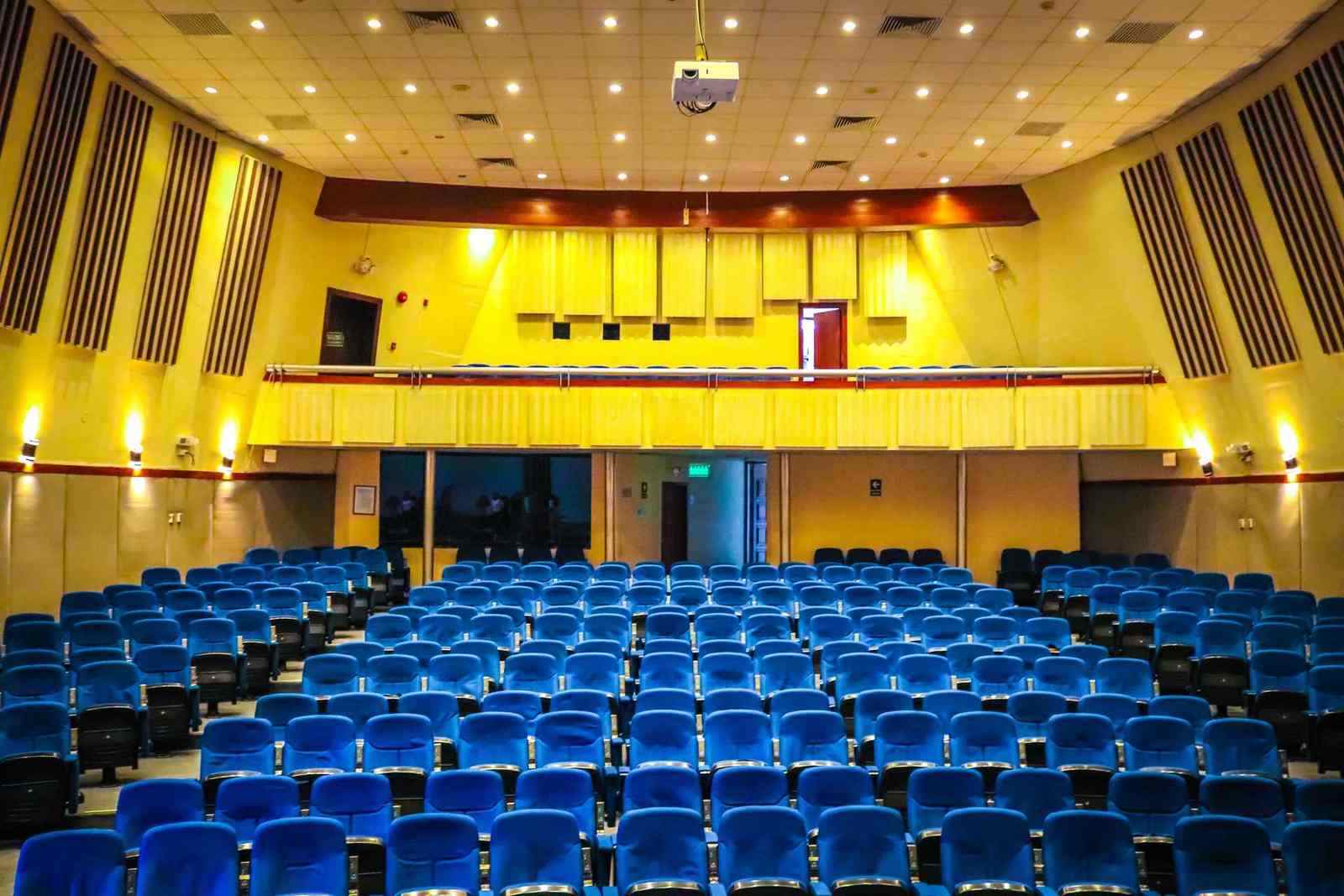

The closing keynote of a three-day flagship conference plays to a noticeably thinner room than the opening one did, and it has almost nothing to do with quality. It has to do with flight schedules. A meaningful share of any conference's attendance books its return flight for the last morning or the night before, chasing a lower fare or trying to be home before the weekend, and that decision gets made weeks before anyone knows what the closing session will actually cover. The room empties on a logistics clock, not a content one — which means the choice to stay through it is worth making on purpose, not by default.
Why the room empties on its own schedule
Return flights get booked against price and a Friday deadline back at the office, not against the agenda — and airfare on the last afternoon of a multi-day event is reliably cheaper than airfare timed around a closing session nobody has seen the content for yet. At a flagship the size of RAPS Convergence or DIA's Global Annual Meeting, that adds up to a visibly thinner room by the final block, and it says nothing about what the organizers scheduled into it. This is a different phenomenon from walking out of a session that stopped earning the seat — nobody in the thinning closing room made a content judgment. They made a travel-budget one, months earlier.
What the thinned room is actually good for
A closing slot's attendees are disproportionately the ones who planned to be there, which changes the room's character more than its size. Q&A tends to run longer because there's time left on the clock and fewer hands competing for it. Speakers who have nowhere else to be linger afterward in a way a packed opening keynote's speaker rarely does. None of this is guaranteed — a closing slot can also be genuinely secondary programming — but the size of the room is not, by itself, evidence of that. Reading the actual agenda content for the closing block, not just its position on the schedule, is the same discipline reading a listing's actual format already rewards over trusting the label.
Booking the flight on purpose
The honest version of this decision is a cost line, not a vague sense of obligation to stay till the end. An extra hotel night and a later flight typically cost real money against a fare that drops the moment you leave a day early — the same arithmetic a signable business case already asks you to run on the trip itself. Decide before you book: does the closing content answer a question this trip was actually sent to answer, or is the honest reason for staying momentum rather than a memo item? Either answer is legitimate. What isn't worth doing is defaulting to the cheapest flight without checking what it costs you against the agenda first.
If you're the one speaking to the thinned room
Presenting or moderating a closing slot means preparing for a smaller room than the one your abstract was accepted into, and that isn't a comment on the work — per the essay on running someone else's panel, a good facilitator reads the room they actually have, not the one they expected. A closing-slot audience skews toward people who chose to be there specifically, which is worth more attention than its size suggests. Deliver to the room in the seats, not the one that already left for the airport.
Worth a look in the directory
- RAPS Convergence 2026 — a flagship multi-day agenda with a closing block
- DIA 2027 Global Annual Meeting — programming that runs through the final day
More from Save the Date
- When to walk out of a session — a deadline for deciding
- Getting the conference approved — a business case your manager can sign
Essays are editorial: they describe how we plan and attend events, not rules. Event listings on this site are verified against the organizer’s own pages — but confirm dates and pricing with the organizer before booking anything.