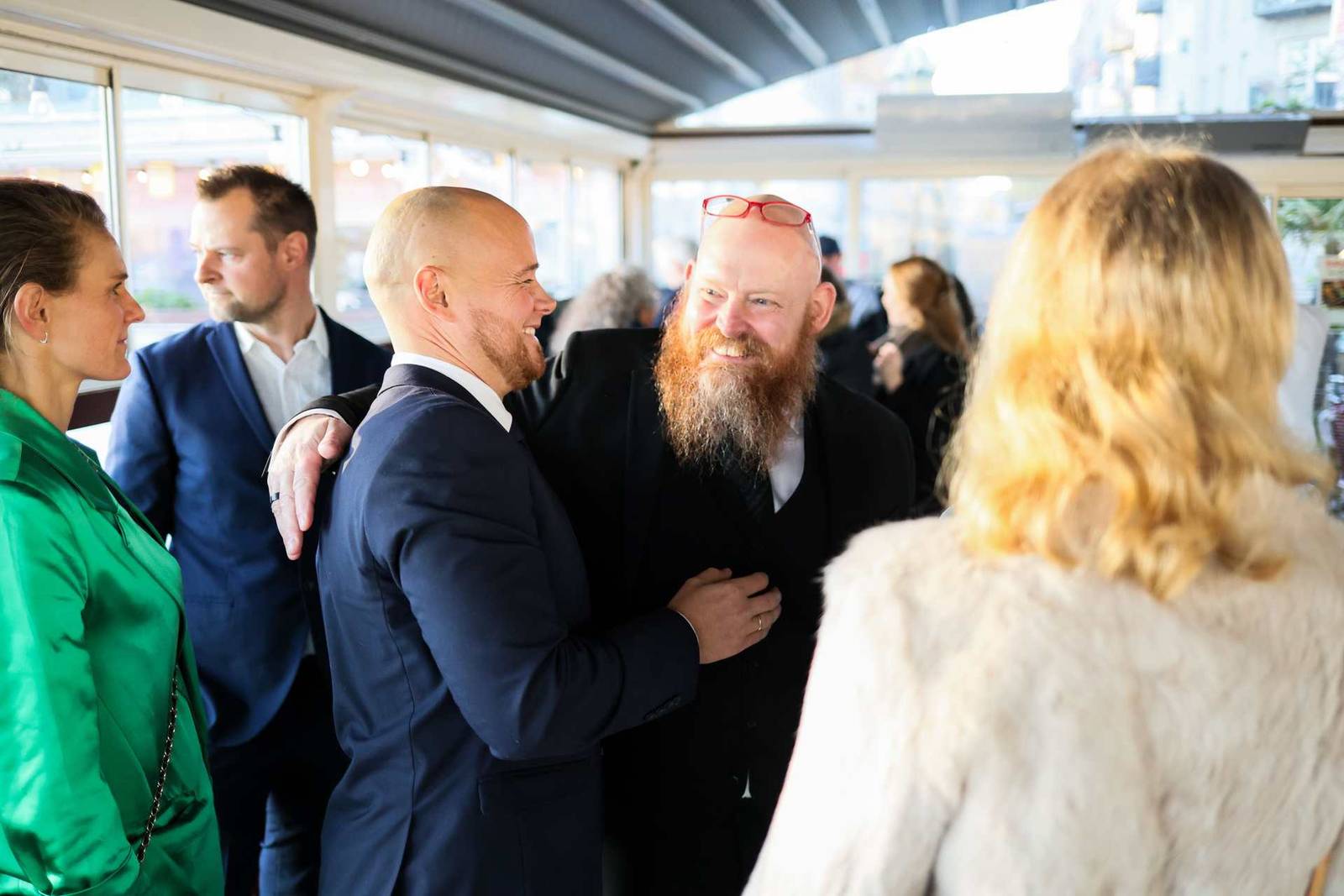

Somewhere on most people's contact list is a name that only lights up once a year — no calls in between, no ongoing thread, sometimes not even a connection request — and yet the reunion at badge pickup is one of the most genuinely warm moments of the week. It's an unusual kind of relationship: real, valued, and entirely dependent on a shared flagship conference continuing to exist and both of you continuing to attend it. Most advice about conference relationships is aimed at building new ones. This one is about a relationship you already have, that lives nowhere else but here, and what happens to it if either of you stops showing up.
A different shape of relationship, not a lesser one
It's tempting to measure a professional relationship by how often you're in touch, in which case a once-a-year contact looks thin next to a colleague you email weekly. That measure is the wrong one for this particular pattern. A relationship that resets cleanly every flagship week, with no maintenance required in between, is its own sustainable shape — low-overhead, genuinely looked forward to, and durable precisely because neither person is expected to sustain it between visits. The essay on networking for people who dread it is aimed at the harder problem of meeting someone new in a loud room; this is closer to the opposite problem, of protecting a relationship that already works, on a cadence that already works, without accidentally letting either lapse.
Come with a real question, not just "how have you been"
The catch-up that actually lands starts from something specific: a detail from last year's conversation, a project you know they were working on, a question that proves you remembered rather than a pleasantry that works for anyone. "How did the launch you mentioned last year go?" does more work in ten seconds than "great to see you, how've you been" does in a full minute, because it signals the relationship is real rather than ceremonial. It also tends to be reciprocated — a specific question invites a specific answer, and a specific answer is what actually makes the ten minutes at badge pickup worth having again next year.
The relationship has no other channel
Because nothing connects the two of you between conferences, the relationship is entirely dependent on both people continuing to show up to the same event on the same cadence — and that's a real fragility worth naming rather than assuming away. A role change, a budget cut, a trip that doesn't get approved this particular year, or simply a switch to a regional event instead of the flagship can quietly end a relationship that felt solid, with neither party ever deciding to end it. If the relationship is worth more than the reunion itself, it's worth a real contact exchange at some point — not to turn it into a different kind of relationship, but to give it one more channel in case the once-a-year one ever breaks.
When the cadence itself changes
Sometimes it's the conference that changes, not either person: a flagship moves to a new host city, splits into regional editions, or gets rescheduled entirely, and the reliable once-a-year touchpoint quietly stops being reliable. That's usually the moment a once-a-year relationship either graduates into something with its own contact outside the conference, or fades — not through any falling-out, just through the disappearance of the one occasion that ever brought the two of you into the same room. Neither outcome is a failure. But it's worth noticing which one is happening, rather than assuming next year's badge pickup will simply happen again on its own.
Worth a look in the directory
- RAPS Convergence 2026 — a flagship annual where the same faces tend to return year after year
- ISPE Annual Meeting 2026 — another recurring flagship where once-a-year relationships accumulate
More from Save the Date
- Networking for people who hate networking
- When the conference changes on you
- You can’t make all three dinners
Essays are editorial: they describe how we plan and attend events, not rules. Event listings on this site are verified against the organizer’s own pages — but confirm dates and pricing with the organizer before booking anything.