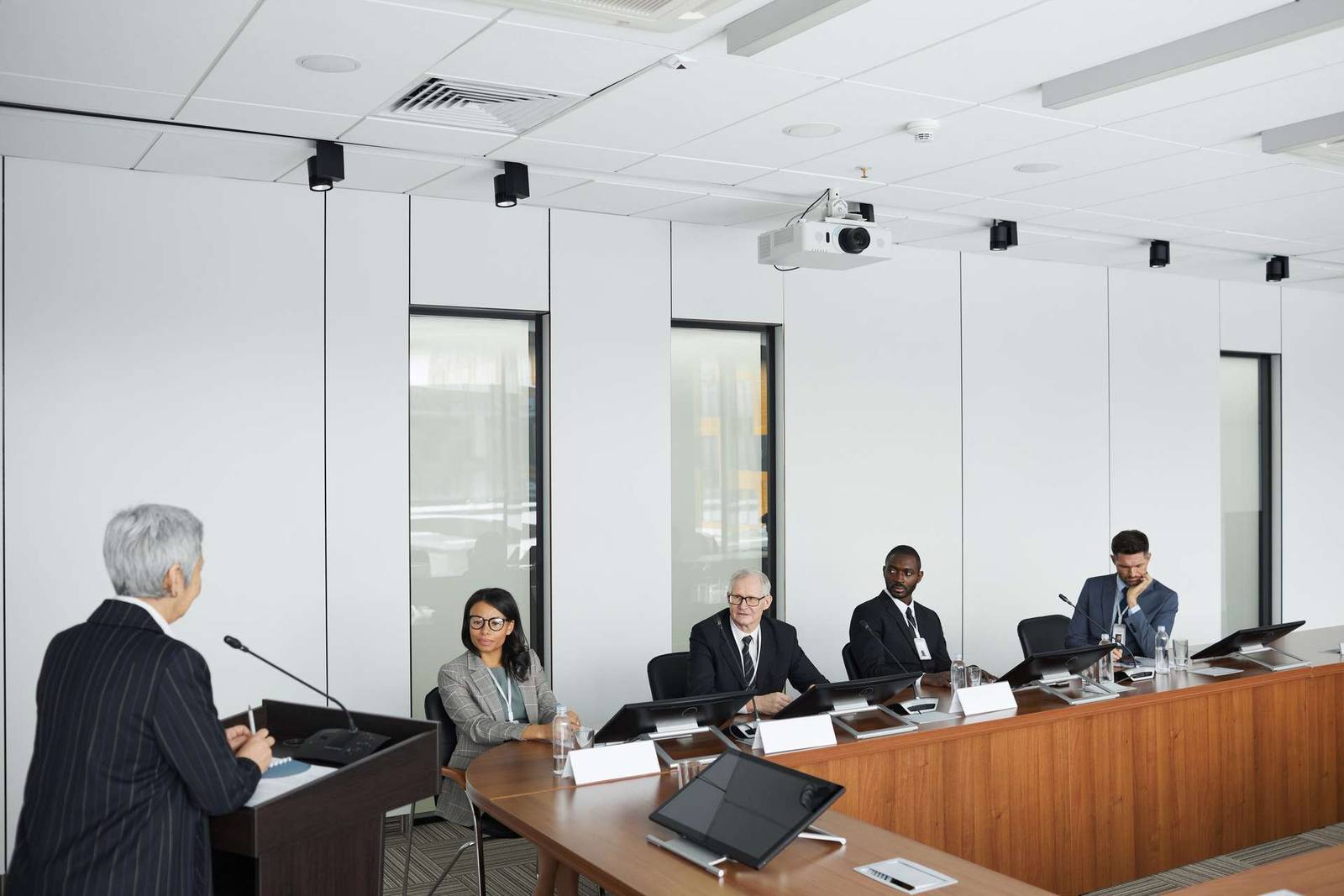

Writing the abstract that gets accepted is written to the person submitting three hundred words into a form and waiting. Almost nobody writes to the person on the other end of that form — the volunteer reviewer who reads a stack of submissions against a rubric, argues for the ones worth a slot, and quietly shapes an agenda that thousands of people will later treat as simply how the conference turned out. Getting asked onto a program committee is a real compliment and a real time commitment, and it is worth understanding what the job actually is before you say yes.
The invitation is a commitment, not just a credential
Program committees run on the same volunteer labor as peer review everywhere else in the profession: unpaid, unglamorous, and quietly essential to whether the agenda is any good. Saying yes is a genuine credential — it means the organizers trust your judgment on what the field needs to hear — but it is worth treating as a real calendar commitment before you accept, not a line to add to a bio. A reviewer who accepts the invitation and then skims submissions the night before the deadline does the whole process a disservice that is easy to avoid by simply being honest about your bandwidth up front.
What you're actually being asked to score
Most committees work from a rubric, not a gut feeling, and the rubric is almost always built around the same question this site's own essay on submitting already names for writers: is there an actual finding here, not just a topic. Your job as a reviewer is to hold that line even when the writing around the finding is uneven — a genuinely useful result described in plain, slightly awkward prose should still outscore a well-turned abstract that promises a topic and delivers a restatement of it. Committees that drift into rewarding polish over substance end up with agendas that read well in the program guide and disappoint in the room.
The blind spots worth watching for in yourself
Two pulls distort review scores more often than outright bias: familiarity and thinness disguised as breadth. A submission from someone you already know, or a company you've worked opposite for years, earns an unearned benefit of the doubt unless you name the relationship and recuse yourself — most committees have a formal process for this, and using it early is far better than quietly scoring generously and hoping nobody asks. The second pull is subtler: a submission that promises to cover a lot of ground can read as more valuable than one narrow, well-evidenced finding, when the opposite is usually true for an audience that already knows the broad strokes and came for the specific one.
The time commitment, honestly
The workload rarely spreads evenly across the months between the call for papers and the agenda going live. It arrives in one dense window shortly after submissions close, when every reviewer on the committee is reading a batch against the same deadline the organizers need to hit to typeset a program guide. Block that window on your own calendar the moment you accept the invitation, the same way a conference trip itself deserves a real calendar entry rather than a vague intention — a reviewer who discovers the deadline the week it lands is the reason committees end up rushing decisions that deserved more time.
Why it's worth saying yes anyway
The return on the unpaid hours is real, even if it never shows up on an expense report. Reading a full season's worth of submissions across your field is a faster, broader read on where the actual open questions sit than any single conference agenda gives you as an attendee — you see what people are worried enough about to write up, months before it becomes a session title. It is also one of the few genuinely durable ways to build the kind of professional network a reception never quite manages: a shared review cycle with the same handful of colleagues, done honestly, tends to outlast a stack of exchanged business cards.
Worth a look in the directory
- RAPS Convergence 2026 — a profession-wide annual with a public call for abstracts and a volunteer program committee
- DIA 2027 Global Annual Meeting — a technical program built from a reviewed submission pool
More from Save the Date
- Writing the abstract that gets accepted
- So you’re the one presenting — preparing your first regulatory conference talk
Essays are editorial: they describe how we plan and attend events, not rules. Event listings on this site are verified against the organizer’s own pages — but confirm dates and pricing with the organizer before booking anything.